

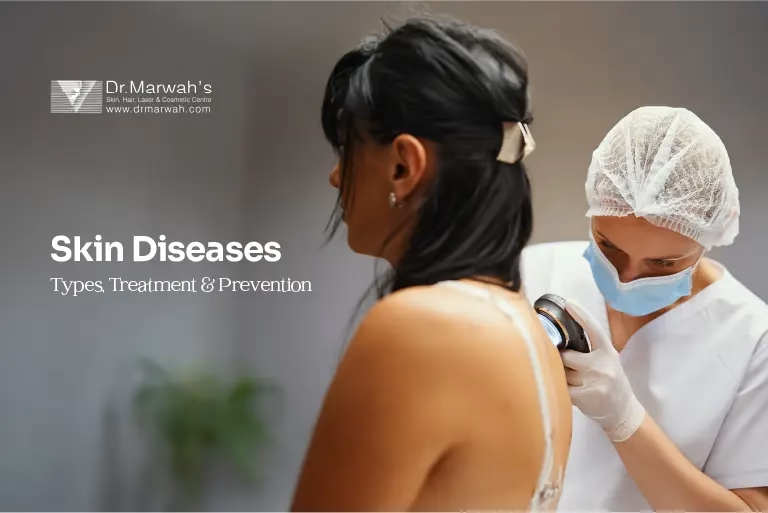
Skin diseases include any conditions that affect the skin, causing it to become inflamed, irritated, discolored or otherwise abnormal. In fact, the International League of Dermatological Societies reports there are over 3,000 distinct skin diseases worldwide, affecting more than 1.8 billion people at any given time. In everyday terms, skin conditions range from common issues like acne or eczema to serious problems like skin cancer. Understanding what skin diseases are, their common forms (types), how they show up (symptoms), and what treatments and preventive measures are available can help you maintain healthier skin.
Whether mild or severe, early diagnosis and the right skin treatment can significantly improve both skin health and quality of life. For expert care, consider visiting Dr. Marwah’s Clinic in Mumbai, where personalized dermatological solutions help you achieve clear, healthy skin.
What Is a Skin Disease?
In simple terms, a skin disease is any abnormal condition of the skin – the body’s largest organ. This can include rashes, infections, pigment changes, or cancers. The Cleveland Clinic defines them as “all conditions that clog, irritate or inflame your skin”. Common examples are acne (pimples), eczema (dry itchy patches), psoriasis (scaly red plaques), warts, and many more. Symptoms vary, but often include things like itchiness, redness, bumps, blisters, dryness or scaliness of the skin. Importantly, not every temporary skin change is a disease – for example, a minor scratch or sunburn usually heals. But if you notice a persistent rash, unusual bump, or new dark spot with no obvious cause, it may indicate a skin disease and should be evaluated by a doctor.
How Many Types of Skin Diseases Are There?
There are thousands of skin disease types, but experts organize them into broad categories. Many sources state there are over 3,000 identified skin disorders globally. These can be classified by cause, appearance or body system involved. For example, skin diseases include: infectious diseases (caused by bacteria, viruses, fungi or parasites), inflammatory/autoimmune diseases (where the immune system attacks the skin), allergic conditions (from irritants or allergens), genetic disorders (inherited abnormalities of skin structure), neoplastic conditions (skin cancers), and other types (like vascular or connective tissue diseases). In practical terms, common categories are:
Infectious skin diseases:
e.g. bacterial infections (impetigo, cellulitis), viral (herpes, warts), fungal (ringworm/athlete’s foot), parasitic (scabies).
Inflammatory/autoimmune conditions:
e.g. eczema (atopic dermatitis), psoriasis, lupus rashes.
Allergic/irritant disorders:
e.g. contact dermatitis, hives (urticaria).
Genetic disorders:
e.g. ichthyosis (extremely dry, scaly skin), epidermolysis bullosa (fragile skin that blisters easily).
Skin cancers and precancerous conditions:
Such as melanoma, basal cell carcinoma, and squamous cell carcinoma.
Other types:
e.g. rosacea (chronic redness), vitiligo (loss of pigment), or Raynaud’s phenomenon (circulation-related color changes).
No single list can cover all thousands of diseases, but broad examples help illustrate “different types of skin diseases.” According to the NIH, many skin conditions arise from factors like allergies, irritants, genetics, and immune system issues. For instance, germs such as bacteria or fungi living on the skin can trigger infections. Underlying health problems or genes can predispose someone to chronic conditions like psoriasis or eczema. In short, skin diseases vary greatly: some are contagious infections, others are inherited, and some come from allergic or autoimmune reactions.
Common Skin Diseases and Their Names
Understanding these conditions can help you recognize symptoms early and seek the right care. From mild irritations to chronic concerns, these common skin diseases affect people of all ages. Here’s a quick overview of skin diseases names and how many types of skin disease are involved.
Acne (acne vulgaris):
A very common condition where hair follicles become clogged with oil, bacteria and dead skin, causing pimples or whiteheads. Acne often appears on the face, chest or back, especially in teens and young adults.
Eczema (Atopic Dermatitis):
A long-lasting inflammatory skin condition marked by dryness, redness, itchiness, and flaky patches. While it commonly begins in childhood, it can occur at any age. Persistent scratching may worsen symptoms, causing the skin to become swollen, cracked, or irritated.
Psoriasis:
An autoimmune condition causing thick red patches with silvery scales on the skin. Plaques often occur on elbows, knees, scalp or torso. Itching or burning can accompany these raised plaques.
Rosacea:
A chronic condition that mostly affects the face, causing persistent redness, visible blood vessels, and acne-like pustules. People with rosacea often flush easily or have a red nose; the skin can feel warm or sore.
Skin Cancer:
Cancerous growths arising from skin cells. The most common are basal cell and squamous cell carcinomas (usually red bumps or sores on sun-exposed skin) and melanoma (a dangerous cancer causing dark, irregular moles). Skin cancer refers to the unchecked and abnormal growth of cells within the skin.
Alopecia Areata:
An autoimmune condition that leads to patchy hair loss on the scalp or other parts of the body. Although it primarily affects hair follicles, it’s often included in dermatological discussions due to its close connection with skin health.
Vitiligo:
A condition where pigment-producing cells are lost, leading to white patches of skin.These depigmented areas may develop on any part of the body.
Warts:
Benign skin growths caused by an infection with the human papillomavirus (HPV).They are often rough, raised bumps on the hands or feet. (Warts commonly go away on their own, especially in children.)
Hives (Urticaria):
Itchy, raised welts that form on the skin as an allergic reaction. They come and go quickly (often within hours) and are red or skin-colored.
These examples are just a small sampling of skin disease names. (Other conditions include seborrheic dermatitis, lichen planus, rosacea, lupus rash, ringworm, impetigo, and many more.) The key point is that “skin diseases” covers all the conditions above and many others. Often patients look online for the “skin disease list” or “all skin diseases,” but medical professionals think of them by cause or symptoms. The diseases listed here are among the most common ones you’re likely to encounter.
Symptoms of Skin Diseases
Symptoms can vary widely depending on the specific skin disease, but there are some common signs to watch for. These signs can help identify different types of skin diseases early and guide proper treatment. Keeping track of symptoms from the skin diseases list can also help you describe your condition more accurately to a healthcare provider.
Rash or redness:
Any new patches of red, blotchy, or inflamed skin. Rashes can be itchy or painful.
Itching or irritation:
Persistent itchiness (pruritus) often signals an issue. Many conditions like eczema or psoriasis are very itchy.
Bumps or pimples:
Raised lumps on the skin that may be red, white, or filled with pus. This includes pimples (acne), bumps from insect bites, blisters, or skin tags.
Dry, cracked or scaly patches:
Areas of very dry skin that flake or peel, or cracks in the skin. Psoriasis, eczema and fungal infections often cause scaling or peeling.
Open sores or ulcers:
Breaks in the skin that bleed or ooze. Infections (like impetigo) or severe eczema can cause open sores.
Color changes:
Patches that are darker or lighter than your normal skin color (pigmentation changes). For example, vitiligo causes white patches, while some rashes or bruises appear reddish or purple.
Warts or unusual growths:
Firm, rubbery bumps (warts) or other growths on the skin. These can appear alone or in clusters. Changes in size or shape of moles are also important to note.
Pain or burning:
Some skin diseases cause pain, stinging, or burning sensations (for example, shingles causes a painful rash).
Heat or swelling:
Infections or inflammatory conditions can make the skin feel warm or become swollen.
Diagnosis and Treatment of Skin Diseases
When a skin problem persists, a healthcare provider (often a dermatologist) will examine your skin visually to make a diagnosis. If the doctor isn’t sure what it is from sight alone, they may use tests such as a skin biopsy (removing a tiny sample for microscopy), cultures (to check for bacteria/fungi), patch tests (for allergies), or specialized lights.
Once diagnosed, many skin diseases respond well to treatment. Treatment depends on the condition, but common approaches include:
Topical treatments:
Creams, ointments, or lotions that are applied to the skin to manage specific conditions. Examples are steroid creams (to reduce inflammation and itching in eczema/dermatitis), antifungal creams (for ringworm), or medicated lotions (for psoriasis or dermatitis).
Oral or systemic medications:
Pills or injections. These can be antibiotics (for bacterial infections), antihistamines (for allergic hives), antiviral drugs (for shingles), or immune-modulating drugs (for severe psoriasis or lupus). Steroid pills and other prescription drugs may also be used for widespread inflammation.
Procedures and therapies:
Some conditions are treated with light (UV) therapy, laser therapy, cryotherapy (freezing warts), or minor surgery (for skin cancers or cysts). For example, lasers can remove lesions or reduce scarring, and Mohs surgery may be used for skin cancer removal.
General skin care:
Along with medical treatments, good hygiene and skin care help tremendously. A doctor will often recommend gentle cleansing, regular moisturizing, and avoiding harsh soaps or irritants. Keeping the skin clean, applying emollients to dry areas, and using mild exfoliation can support healing.
Lifestyle and trigger management:
Managing stress, using recommended skincare products, and avoiding known triggers (such as allergens or certain foods) is part of many treatment plans. For example, avoiding sun exposure can help prevent flares of lupus rash or melasma, and quitting smoking can improve psoriasis.
Prevention of Skin Diseases
While you can’t prevent every skin condition (you can’t change genetics or completely stop autoimmune diseases), many common skin problems can be reduced or prevented with healthy habits and precautions. General prevention tips include:
Protect yourself from the sun:
Sun exposure causes sunburn, premature aging and can trigger some skin diseases (like melasma or cancers). This helps prevent sun damage and reduces the risk of skin cancer.
Good hygiene:
Wash hands frequently with soap and water, especially after touching dirty surfaces or being in public places. Keep your skin clean and dry; shower after sweating (sweat can aggravate rashes and allow fungi/bacteria to grow). Avoid sharing personal items like towels, razors, or makeup brushes to stop the spread of infections. Clean gym equipment or public surfaces if you can.
Moisturize regularly:
Dry skin can crack and become a site for infection or irritation. Use a gentle, fragrance-free moisturizer on dry areas (after bathing is ideal). This simple step can prevent eczema flares and keep the skin barrier healthy.
Avoid irritants and allergens:
Identify anything that triggers your skin (like certain metals, soaps, fabrics, or plants) and minimize contact. Wear gloves when using strong cleaners or chemicals, and choose mild skincare products. If you have eczema or dermatitis, see your doctor about identifying allergens (patch testing) and treat them proactively.
Healthy lifestyle:
Eat a balanced diet rich in fruits, vegetables and whole grains, and drink plenty of water to keep skin well-nourished and hydrated. Limit high-sugar or processed foods that can cause inflammation. Get enough sleep (7–8 hours) and manage stress, as stress can exacerbate conditions like acne, eczema and psoriasis. Avoid smoking, as tobacco accelerates skin aging and significantly increases the risk of skin cancer, particularly squamous cell carcinoma on the lips.
Prompt wound care:
Even minor cuts or insect bites should be cleaned with soap and water and covered. Apply antibiotic ointment if recommended. This prevents bacteria from entering and turning a small injury into an infection (like cellulitis).
Skin self-exams:
Check your skin once a month for any new growths or changes in existing moles or spots. Early detection of unusual lesions can catch skin cancer at a treatable stage.
By following these preventive steps, you can lower your risk of many common skin problems. For example, contagious infections like ringworm or impetigo are much less likely if you practice good hand-washing and avoid sharing personal items. Chronic diseases like eczema or acne often improve when you avoid known triggers and keep the skin moisturized. And using sunscreen and avoiding UV exposure protects against several skin diseases at once. In short, maintaining gentle daily skin care, a healthy lifestyle, and smart sun protection is key to prevention of common skin diseases.
Conclusion
Skin diseases are extremely common and varied, but understanding them is the first step to management. Many of the conditions above can be effectively treated or managed once correctly diagnosed. Early detection is key. Regular skin exams and timely medical care can lead to successful treatment of most skin cancers and other serious conditions.
In summary, if you notice unusual skin changes (rashes, moles, persistent dryness, or any new itchy patches), consult a healthcare provider. A dermatologist can determine what type of skin disease it is and recommend the best treatment. By combining medical care with preventive habits – sun safety, good hygiene, moisturizing, and a healthy lifestyle – you’ll give your skin the best chance at staying healthy. With prompt care, many skin diseases are manageable, letting you keep your skin (and overall health) in top shape.
For trusted, personalized care, visit Dr. Marwah’s Clinic in Mumbai and take the first step toward healthier skin.
Frequently Asked Questions (FAQs) on Skin Diseases
1. What exactly is a skin disease?
A skin disease refers to any condition that affects the skin’s structure or function. It could be as mild as a rash or as serious as skin cancer. These conditions can result from infections, inflammation, allergies, autoimmune disorders, or genetic factors.
2. How can I tell if I have a skin disease or just a minor irritation?
Temporary issues like sunburns or bug bites usually clear up quickly. But if a rash, bump, itch, or discoloration lingers for more than a few days, spreads, or worsens, it’s a good idea to consult a healthcare provider—especially if there’s pain, bleeding, or other symptoms involved.
3. Are all skin diseases contagious?
Not at all. While some conditions like warts, impetigo, or ringworm are contagious, many others—such as eczema, psoriasis, or vitiligo—are not. Whether something is infectious depends on its cause, which a doctor can help determine.
4. What are the most common skin conditions people experience?
Acne, eczema, psoriasis, rosacea, warts, and hives are among the most frequent. Others, like vitiligo or alopecia areata, are less common but still widely recognized.
5. Can skin diseases be a sign of an internal health issue?
Yes. Sometimes skin changes reflect underlying problems like thyroid disorders, anemia, liver disease, or immune dysfunction. If a skin issue appears suddenly or comes with fatigue, fever, or other systemic symptoms, it’s worth getting checked out.
6. How are skin diseases diagnosed?
Dermatologists usually begin with a visual exam. They might also perform a skin biopsy, allergy testing, or lab work to determine the exact cause and rule out other conditions.
Read more blogs: