Download Our App



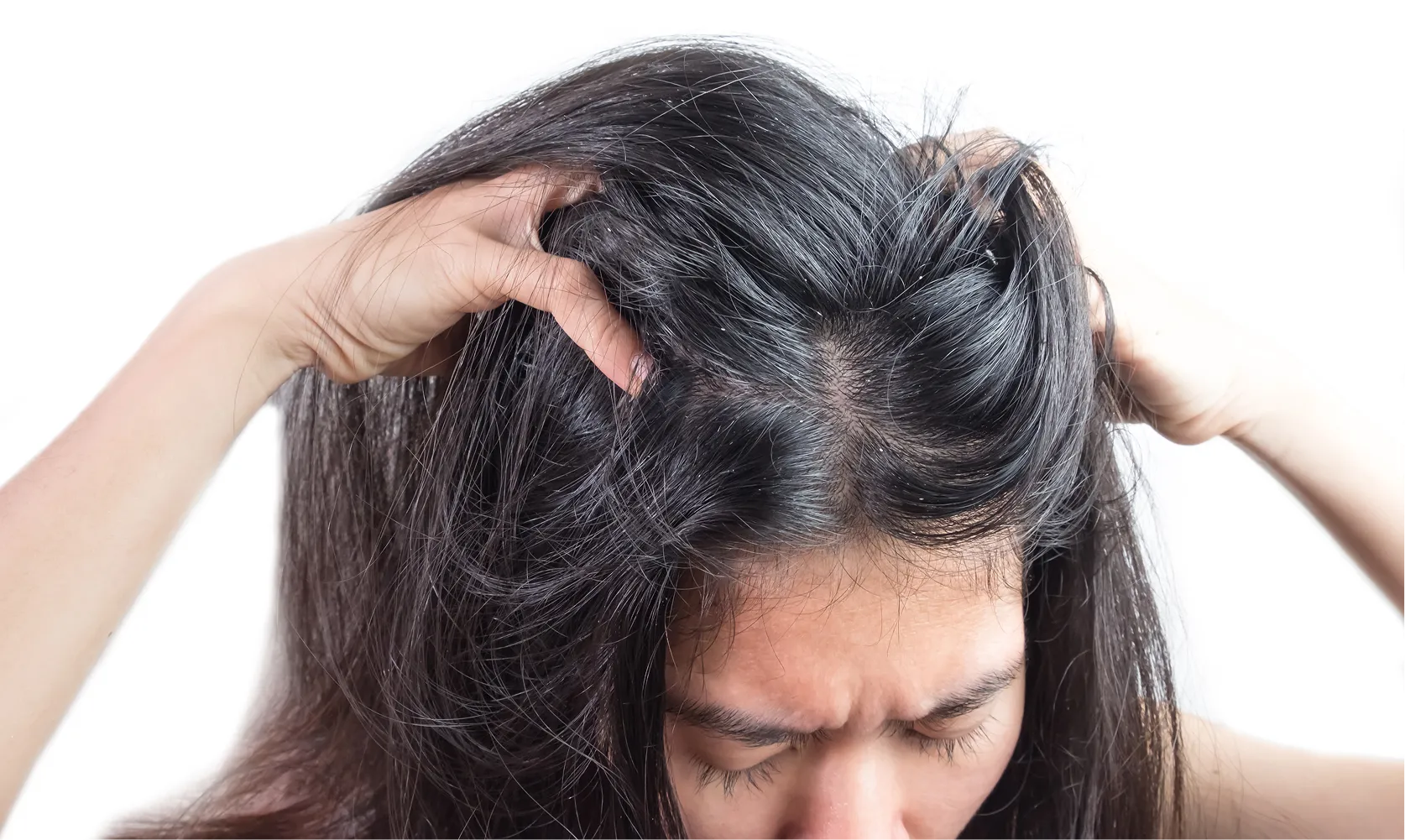
An itchy scalp can be more than just a minor irritation. Persistent itching may lead to discomfort, scratching, and even hair thinning over time. Many patients notice that an itchy scalp and hair fall go hand in hand, making it important to identify the underlying cause early. At Dr Marwah’s Clinic, we help you understand what’s causing your scalp issues and offer targeted solutions for lasting relief.
An itchy scalp occurs when the skin on your scalp becomes irritated or inflamed. It may be accompanied by redness, flaking, or a burning sensation. While occasional itching is normal, persistent itching can signal a medical condition such as dandruff, itchy scalp psoriasis, or seborrheic dermatitis. Understanding the cause is the first step toward effective treatment.
Several factors can lead to an itchy scalp:
Knowing the reasons for itchy scalp can guide proper care and prevent further damage.
Certain people are more prone to developing an itchy scalp due to skin type, environment, or medical conditions. Common risk factors include:
Understanding these risk factors can help prevent flare-ups and guide you toward proper care.
A thorough diagnosis helps identify the exact reason for your itchy scalp. At Dr Marwah’s Clinic, dermatologists begin with:
Many patients report an itchy scalp and hair loss, especially when the irritation is chronic. Constant scratching can weaken hair follicles, leading to breakage or shedding. Conditions like seborrheic dermatitis or itchy scalp psoriasis often cause persistent inflammation that disrupts the scalp’s natural balance and affects healthy hair growth. Addressing the underlying scalp condition not only relieves discomfort but also supports stronger, healthier hair over time.
Seek professional advice if you experience:
Early consultation ensures the right diagnosis and prevents further scalp damage.
Relief starts with a thorough assessment. Our team reviews your scalp and medical history to identify causes and recommend treatment, including:


Understanding how to treat itchy scalp effectively requires a personalized approach, what works for one person may not work for another.
Persistent itching deserves professional attention. At Dr Marwah’s Clinic, our dermatologists provide detailed scalp evaluation and personalized treatment plans. With expertise in scalp conditions and hair restoration, we help patients regain comfort, confidence, and healthy hair.
Book a consultation today to find the right solution for your itchy scalp and prevent hair fall.
Common causes include dandruff, seborrheic dermatitis, scalp psoriasis, allergic reactions, fungal infections, dry scalp, and stress.
Yes, chronic itching and scratching can weaken hair follicles leading to hair fall.
Diagnosis involves scalp examination, trichoscopy, skin scrapings, allergy tests, and sometimes blood tests.
Treatments include medicated shampoos, topical ointments, antifungals, and lifestyle changes to avoid irritants.
Use gentle shampoos, avoid over-washing, limit harsh chemicals, avoid scratching, and protect from sun or cold.