Download Our App



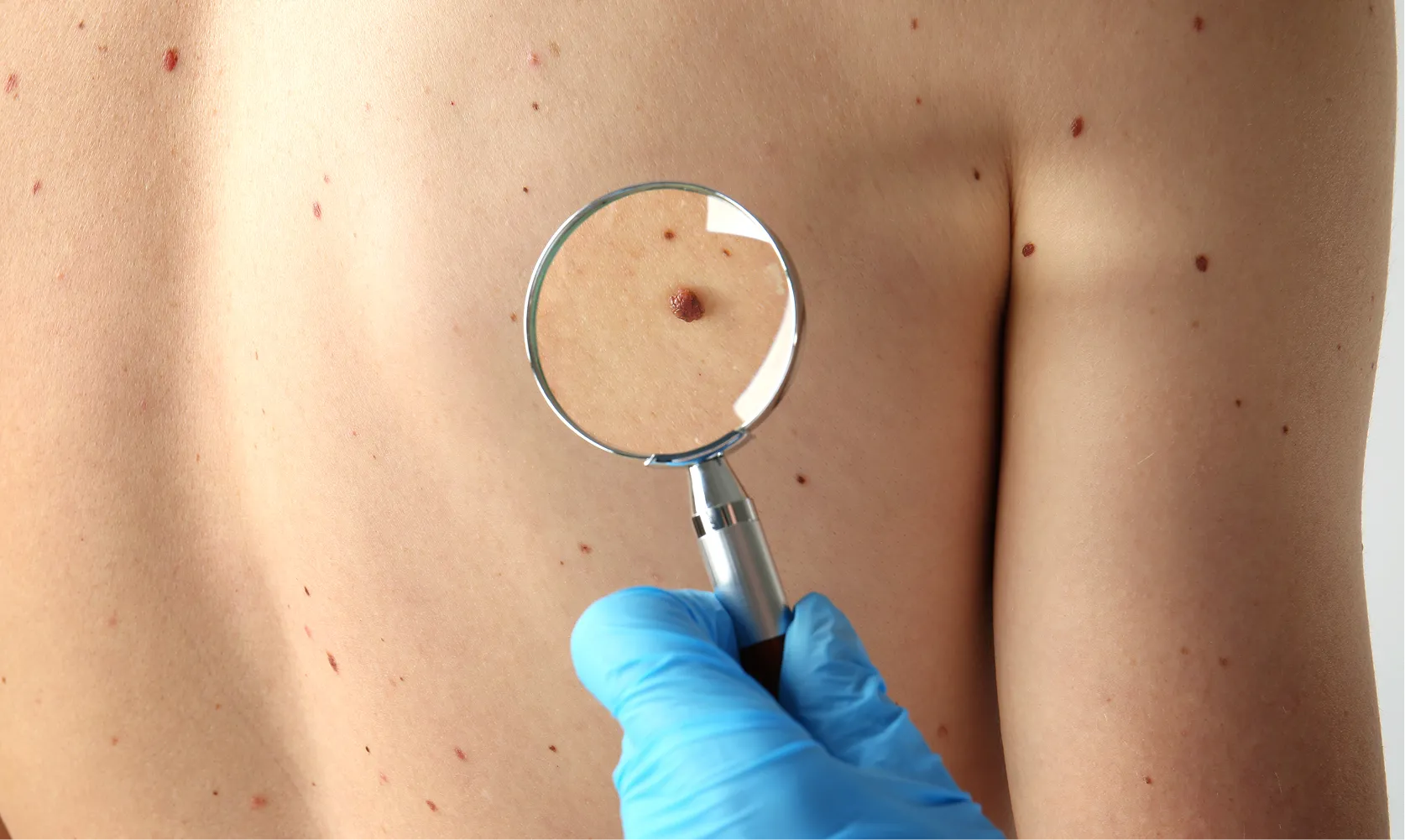
Many patients seek dermatosurgery for both medical and cosmetic skin concerns. This specialised field combines dermatology with surgical techniques to provide precise, safe interventions that enhance skin health and appearance. Understanding the procedure, risks, and benefits helps patients make informed decisions and optimise outcomes.
Dermatosurgery refers to surgical procedures performed to treat various skin conditions, ranging from benign lesions to malignancies. It includes mole and wart removal, cyst excisions, scar revisions, and skin cancer surgeries. This branch of dermatology uses advanced, minimally invasive techniques to promote faster healing with minimal scarring, focusing on the skin’s health and cosmetic outcomes.
These procedures help improve skin texture and tone, prevent complications, and restore confidence.
Awareness of risk factors ensures tailored care and risk minimisation.
A thorough assessment is performed prior to dermatosurgery, including:
Like all surgeries, dermatosurgery carries some risk:
Our centre emphasises patient education, close monitoring, and prompt management of any complications.
Seek dermatologic surgical evaluation if you have:
Early consultation facilitates better results and often simpler procedures.
Minimally Invasive Surgical Excision: For moles, cysts, or lesions with quick recovery.
Our advanced dermatology and cosmetic surgery centre integrates these options for personalised care.
Dermatology & skin surgery specialises in treating diseases and cosmetic issues of the skin using both medical and surgical methods that are minimally invasive and skin-focused. Plastic surgery often involves more extensive reconstruction and volume alteration beyond skin, addressing underlying tissues and body structures. Both have their roles, but for focused skin issues, advanced dermatologic surgery offers targeted, safer, and cosmetically superior outcomes with less downtime.
Our centre combines over three decades of expertise with cutting-edge surgical technology to deliver safe, effective, and aesthetically satisfying dermatosurgery. Personalised treatment plans ensure optimal healing and results tailored to each patient’s needs.
Book your consultation today to begin your personalised dermatosurgery journey.
Preparation involves avoiding blood thinners, following hygiene instructions, and attending detailed preoperative consultations.
Care includes keeping the area clean, avoiding sun exposure, and closely following wound care to prevent infection and scarring.
Though rare, risks include infection, pigmentation changes, scarring, and the potential need for further surgery.
Recovery depends on the procedure's complexity; simple excisions may heal within days, while more extensive surgeries require weeks.
Candidacy is based on a comprehensive evaluation of medical history, skin condition, and cosmetic goals to develop a tailored surgical plan.